

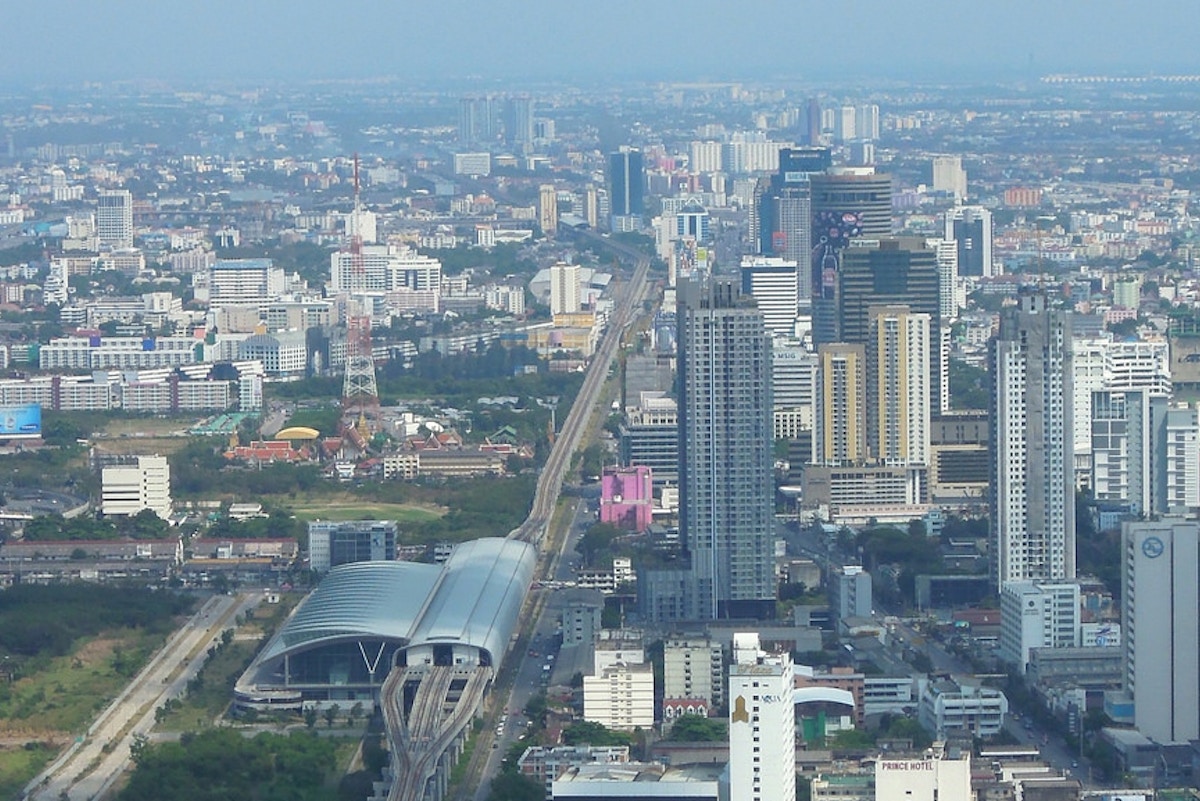
Bangkok has always had informal public life. People gather around street food stalls, outside office towers, near transport stations, in parks, markets and shopping areas. What has changed is the expectation placed on newer public spaces. They are no longer judged only by how they look. They need to handle different uses, different crowds and different times of day without feeling awkward.
This is where the idea of an activity center in Bangkok has started to change. The strongest spaces are not built for one narrow purpose. They may work as a walking route in the morning, a shaded meeting point at lunch, an event space on weekends, and a calm green area when people simply want a break from traffic and concrete.
From fixed design to adaptable use
Older public spaces were often designed with one main function in mind. A park was for walking and resting. A plaza was for passing through. A shopping area was for spending money. Those lines are less clear now. People want places that can shift between leisure, culture, fitness, dining, small events and everyday movement.
This does not mean every space needs to do everything. It means the design should not lock people into one use. Open areas, movable seating, shaded edges, wide pathways and clear access can make a space more flexible without making it feel busy or cluttered. The best examples leave room for both planned activity and casual use.
Why flexibility matters in Bangkok
Bangkok’s pace changes throughout the day. Morning commuters move quickly. Lunchtime crowds need convenience. Families and friends often come out later, when the heat drops. Tourists may use the same area differently from office workers or local residents. A rigid space can struggle with those shifts.
Weather adds another layer. Heat, heavy rain and strong sun all affect how people use outdoor areas. Flexible spaces need sheltered routes, indoor and outdoor connections, shade and places where people can pause without blocking movement. A beautiful open area is less useful if it only feels comfortable for a short window of the day.
Events without losing everyday value
Many developments want public spaces that can host events, exhibitions, performances or seasonal activities. That can bring energy into an area, but it should not make the space feel closed off when there is no event. A good activity space still works on a quiet Tuesday afternoon.
The balance is important. If every open area becomes an event venue, people may feel like they are only welcome when something is scheduled. If the design is too passive, the space may lack character. Flexible public spaces need enough infrastructure to support activities, but not so much that everyday use feels secondary.
A better connection between city and daily life
Bangkok’s more flexible public spaces reflect a wider shift in how people use the city. Parks, walkways, retail areas and event spaces are starting to overlap. For residents, workers and visitors, that can make urban life feel less fragmented.
A useful public space gives people options. They can move through it quickly, sit for a few minutes, meet someone, join an event, or use it as part of a longer walk through the city. When that happens, public space becomes more than decoration around buildings. It becomes part of how people actually experience Bangkok.
