

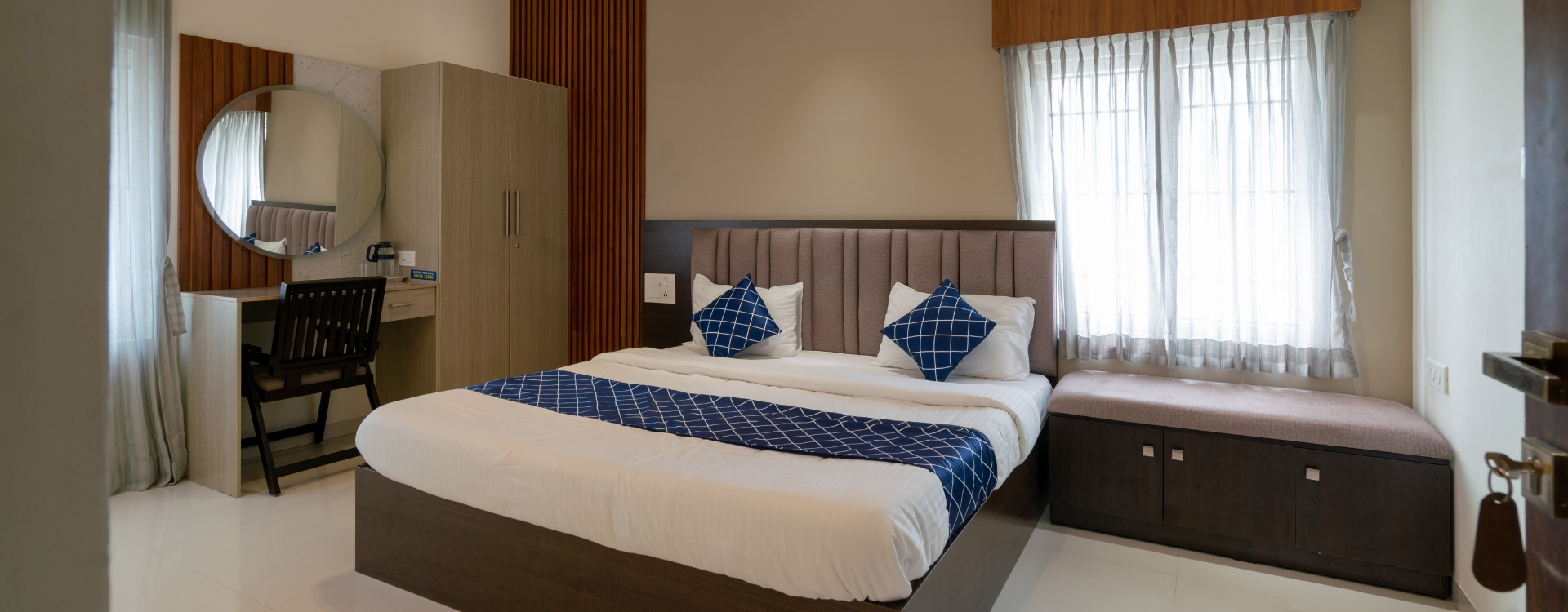
For business travelers and long term visitors, accommodation needs extend beyond a comfortable bed. Work schedules, privacy, and daily routine influence the overall experience. Many professionals choosing Bangkok serviced apartments find that the differences compared with traditional hotels become more noticeable the longer they stay.
Space Designed for Daily Living
Hotel rooms are typically structured around short visits. Even larger rooms often combine sleeping and working areas into a single open space. Serviced apartments are designed with separation in mind. Distinct living, sleeping, and working zones create a more balanced environment.
A dedicated living area allows meetings or informal conversations without using the bedroom space. A separate desk area improves focus, especially for remote work. Storage capacity also tends to be greater, making it easier to unpack and maintain order during extended stays.
Practical Kitchen Facilities
A full kitchen is one of the clearest distinctions. Professionals staying for several weeks may not want to dine out for every meal. Serviced apartments typically include refrigerators, stovetops, and basic cookware. This flexibility supports healthier eating habits and helps manage expenses.
Beyond cost considerations, the ability to prepare simple meals adds control to daily routine. Breakfast can be scheduled around early meetings. Late arrivals do not require searching for open restaurants. Small conveniences accumulate over time.
Greater Privacy and Independence
Hotels often operate on structured schedules. Housekeeping timing, lobby traffic, and room service interruptions can affect privacy. Serviced apartments usually offer more autonomy. Residents can choose housekeeping frequency and move through common areas with less exposure to constant guest turnover.
Separate entrances, controlled access systems, and a more residential atmosphere contribute to a quieter environment. For professionals balancing work calls and travel fatigue, reduced noise and interruption matter.
Cost Efficiency Over Longer Stays
While nightly hotel rates may appear competitive for short visits, extended stays often favor apartment pricing structures. Monthly or multi week rates typically include utilities and service fees within a single package.
Additional hotel expenses such as daily dining, laundry services, and premium internet can accumulate quickly. Serviced apartments often provide in unit laundry or shared facilities, reducing reliance on external services.
Work reliability is another factor. Stable high speed internet and workspace layout are often prioritized in apartment settings because residents are expected to remain for longer periods. This stability supports productivity in a way that transient hotel infrastructure may not always guarantee.
The choice between hotel and apartment depends on duration and lifestyle preference. For professionals managing projects, remote teams, or relocation periods, the added space, kitchen functionality, and independence offered by serviced apartments often align more closely with daily needs than a standard hotel environment.