

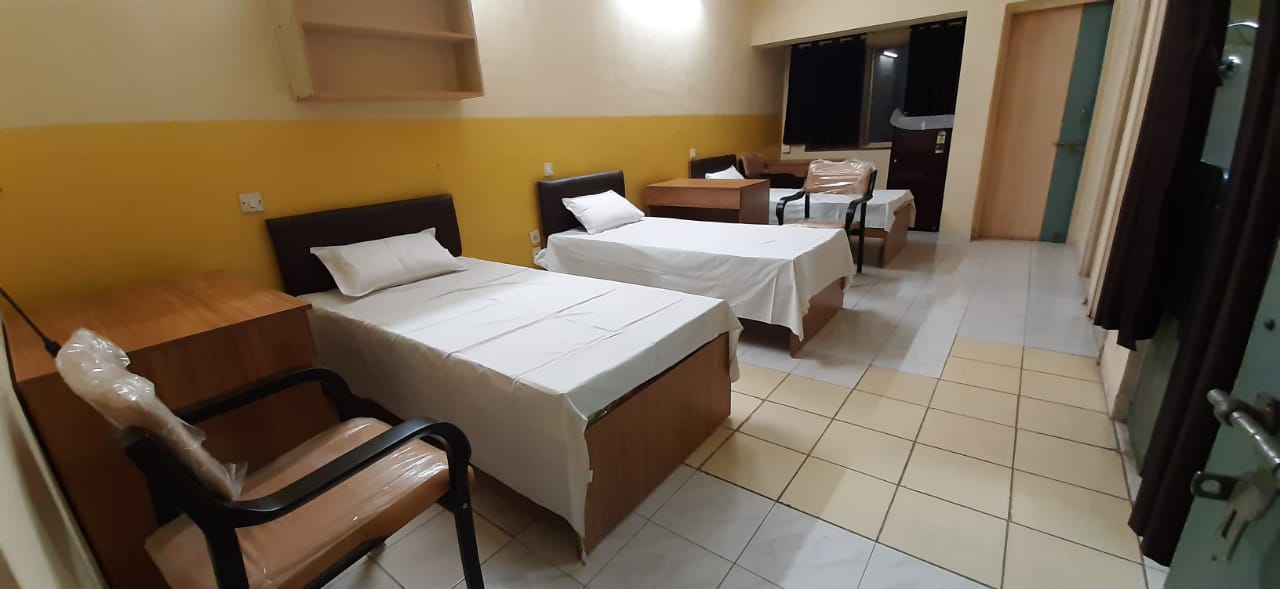
Landing a job in Pune’s IT hub is exciting until you start searching for accommodation. The PG in Pune market, particularly in Hinjawadi, operates on its own logic: brokers quote different prices for the same property, commute distances are measured in traffic hours rather than kilometers, and “fully furnished” can mean anything from a bed to a complete setup with Wi-Fi and meals.
This guide breaks down what first-time relocators actually need to know, realistic costs, neighborhood differences, transportation realities, community (and the lack of it), and the practical steps to settle in without chaos. Because for most people moving cities, the hardest part isn’t finding options, it’s dealing with the overwhelm and decision fatigue that comes with too many choices and too little clarity. Whether you’re moving for TCS, Infosys, or a startup, these insights will help you make informed decisions faster.
Understanding Hinjawadi’s Geography and Rental Landscape
Hinjawadi is divided into three phases, each with distinct characteristics. Phase 1 houses major employers (TCS, Wipro, Cognizant) and commands premium rents. PGs range from ₹12,000 to ₹18,000, depending on amenities and sharing arrangements. Phase 2 offers slightly lower costs (₹10,000-₹15,000) but adds 15-20 minutes to your commute if you’re working in Phase 1. Phase 3 remains under development with limited accommodation options.
Most PGs include basic furniture and electricity, but confirm what “meals included” actually covers; some provide only dinner, others offer breakfast and dinner but no lunch. Brokerage typically equals one month’s rent, and landlords expect two months’ advance (security deposit plus first month).
Weighing Your Accommodation Options
Traditional PGs offer affordability but come with constraints: meal timings are fixed, guests require permission, and maintenance requests often take days. A ₹13,000 PG plus ₹6,000 for outside meals and ₹2,000 for laundry totals ₹21,000 monthly. Additionally, most relocators arrive knowing nobody outside their workplace. Weekends feel longer, making friends takes effort, and everyday tasks feel heavier without a support system. Traditional PGs rarely solve this. Many women relocating alone face additional friction: early curfews, guest restrictions, moral policing, and arbitrary rules that vary by landlord.
Premium coliving spaces like Yukio have emerged as an alternative, bundling rent, meals, housekeeping, and Wi-Fi into a single cost. They also follow standardized policies, monitored entry, and maintain structured security systems, without imposing restrictive curfews. At ₹19,950, these arrangements eliminate broker hassles and provide flexibility, safety, autonomy, no separate negotiations for food, no electricity bill surprises, and no scrambling for housekeeping.
The trade-off is less control over meal choices and living arrangements, but for professionals prioritizing convenience over customization, the math often works out favorably. Independent 1BHKs start at ₹15,000 plus ₹15,000-20,000 brokerage, then add ₹2,000-3,000 for electricity, ₹1,000 for water, and maintenance charges. The autonomy is maximum, but so is the upfront cost and ongoing management.
The Hidden Cost: Time and Mental Load
Most first-time relocators underestimate how much time basic living takes. Managing a setup typically involves:
- Coordinating meals or ordering daily
- Handling cleaning and laundry
- Managing internet and utilities
- Following up on repairs
- Dealing with landlords or brokers
This can easily add up to 15–20 hours every week. In a new city, that time often comes at the cost of rest, social life, or simply settling in.
Navigating Transportation in Hinjawadi
Hinjawadi lacks metro connectivity, making the location critical. Living within 3-5 km of your office enables auto-rickshaw commutes (₹40-60 one-way), while anything beyond 8 km forces dependence on shared cabs (₹3,000-4,000 monthly) or personal vehicles.
PMPML buses connect Hinjawadi to Wakad, Baner, and Pune Station, but schedules are inconsistent during weekends. Autos rarely use meters, negotiate fares beforehand, or use Ola/Uber, which function reliably in Hinjawadi Phase 1 but have limited availability in Phases 2 and 3 after 10 PM.
The Pune-Mumbai highway provides weekend escape routes but turns into a parking lot during weekday mornings (7:30-10 AM) and evenings (6-8:30 PM). Choose accommodation that minimizes your interaction with this highway if you’re commuting daily. The time you save on commute often matters more than small differences in rent, especially when long workdays are already draining your energy.
Essential Resources for Your First Month
Stock up at Reliance Fresh (Hinjawadi Road) for groceries; both deliver, but visiting in person helps you understand pricing. Zomato and Swiggy operate extensively, with most restaurants delivering until midnight.
For healthcare, Columbia Asia Hospital (Baner, 20 minutes) handles emergencies, while local clinics near Xion Mall serve for routine issues. Download the PMPML app for bus routes, join Hinjawadi-specific Facebook groups for community intel, and save local laundry contacts (₹10-15 per piece) before your first weekend hits.
All major banks have branches or ATMs within 2 km of Phase 1. Open a local account within the first week for seamless rent payments.
Housing Is a Life Design Choice
Relocating to Hinjawadi is rarely just about affordability. It’s about choosing how your everyday life will function in a city that moves fast. Where you live shapes your commute, your routines, and how easily you build a social circle in a new place where you may not know anyone yet. For many professionals, especially those moving alone, that sense of everyday community becomes as important as the room itself.
It also influences how independently you can live. Safety should never come at the cost of autonomy, and working professionals need spaces that respect their schedules rather than restrict them with outdated rules. A good living setup supports both comfort and confidence.
The professionals who thrive in Pune aren’t necessarily spending more. They’re spending smarter, choosing living environments that protect time, simplify routines, and make it easier to focus on work, friendships, and personal growth during crucial career years. The right living setup doesn’t just reduce cost. It removes friction and gives you back time, something that matters far more in your early career years.