

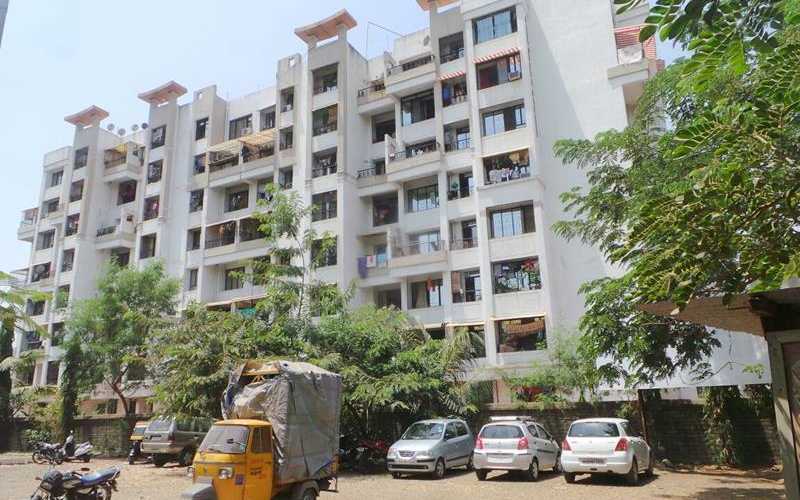
Buying a home is an important decision that requires careful planning and attention to everyday needs. While the location, apartment size, and price are important factors, buyers should also consider the facilities that make daily life comfortable. Reliable water supply, convenient parking, proper drainage, electricity, security, and good connectivity can significantly influence the overall living experience. Checking these essentials before purchasing a home can help families make a practical and confident decision.
When exploring property in dombivli, homebuyers should look beyond the appearance of an apartment and evaluate the facilities available within the building and its surrounding neighbourhood. A property may look attractive during a visit, but its actual value also depends on how well it meets everyday requirements. By asking the right questions and inspecting the property carefully, buyers can choose a home that suits their lifestyle, budget, and future plans.
1. Check the Reliability of the Water Supply
Water is one of the most essential requirements for comfortable living. Before finalising a property, ask about the source of water and its availability throughout the year. Find out whether the building receives a municipal water supply, depends on tankers, or uses a combination of sources.
If the property relies partly on water tankers, ask about the frequency of deliveries and the additional costs residents may need to pay. Check whether the building has adequate storage tanks and a proper water distribution system.
During your visit, inspect the bathroom and kitchen taps to understand the water pressure. You can also ask existing residents about seasonal shortages, water quality, and maintenance arrangements. These simple checks can help you understand whether the water supply will meet your family’s daily needs.
2. Evaluate Parking Facilities
Parking is another important consideration, particularly for families who own cars or two-wheelers. Before booking an apartment, confirm whether a parking space is available and understand how it will be allocated.
Ask whether the parking arrangement is covered, open, or located in a basement. Check whether the space is suitable for your vehicle and whether the entry and exit areas are convenient. Narrow ramps, limited turning space, and overcrowded parking areas can create difficulties over time.
Buyers should also clarify the parking terms in the sale documents and verify that the arrangement complies with applicable rules. Do not depend only on verbal promises. A clear understanding of parking facilities can prevent confusion after moving into the building.
3. Inspect Electricity and Power Backup
A reliable electricity supply is necessary for everyday activities, including cooking, working, studying, and using household appliances. During your property visit, check the electrical fittings, switches, sockets, and distribution board.
Ask whether the building provides power backup for common areas, lifts, water pumps, and other essential services. If backup is available inside individual apartments, clarify which appliances it can support and whether additional charges apply.
It is also helpful to check the condition of the wiring and ask about maintenance arrangements. Proper electrical infrastructure improves convenience and supports a safer living environment.
4. Check Drainage and Waste Management
A well-maintained drainage system helps keep a residential community clean and hygienic. Inspect the bathrooms, kitchen drainage outlets, and visible plumbing for signs of leakage or unpleasant smells.
Ask whether the building has experienced waterlogging during heavy rainfall. Understanding the condition of nearby roads and drainage systems is especially useful when assessing properties in areas that may experience seasonal flooding.
Waste management is equally important. Find out how household waste is collected, whether waste segregation is practised, and how common areas are maintained. Clean surroundings and effective waste disposal contribute to a healthier residential environment.
5. Assess Lifts, Security and Fire Safety
For families living on higher floors, properly maintained lifts can make daily movement much easier. Check the number of lifts, their condition, and whether maintenance is carried out regularly. Ask about backup arrangements if a lift stops working.
Security should also be part of your inspection. Look for controlled entry points, functioning CCTV cameras in appropriate common areas, adequate lighting, and security arrangements.
Additionally, check whether applicable fire safety measures are in place. These may include fire extinguishers, alarms, emergency exits, and clearly marked evacuation routes. Confirm that common facilities are maintained and that residents know the basic emergency procedures.
6. Review Connectivity and Nearby Facilities
A comfortable home should also provide convenient access to everyday services. Check the distance to railway stations, bus stops, schools, hospitals, grocery stores, and pharmacies.
For working professionals, travel time to the workplace can influence daily routines and monthly expenses. Visit the neighbourhood during peak hours to understand traffic conditions and the availability of public transport.
Also consider road quality, street lighting, footpaths, and access to essential services. These factors can improve convenience and contribute to the property’s long-term appeal.
7. Understand Maintenance Charges and Building Management
Facilities remain useful only when they are maintained properly. Before making a purchase, ask about monthly maintenance charges and the services included in them.
Understand how expenses for water supply, lift maintenance, security, cleaning, and common electricity are managed. If residents already occupy the building, ask about their experience with the management team and the resolution of maintenance complaints.
Review the relevant documents and clarify any additional deposits or recurring charges before signing the agreement.
Conclusion
Choosing a home involves more than comparing prices and apartment layouts. Water supply, parking, electricity, drainage, security, connectivity, and maintenance all contribute to everyday comfort. Before purchasing property in dombivli, inspect these essentials carefully, ask clear questions, and verify important commitments in writing. Taking time to evaluate these practical details can help you select a suitable home, manage future expenses, and enjoy a more comfortable living experience for years to come.