

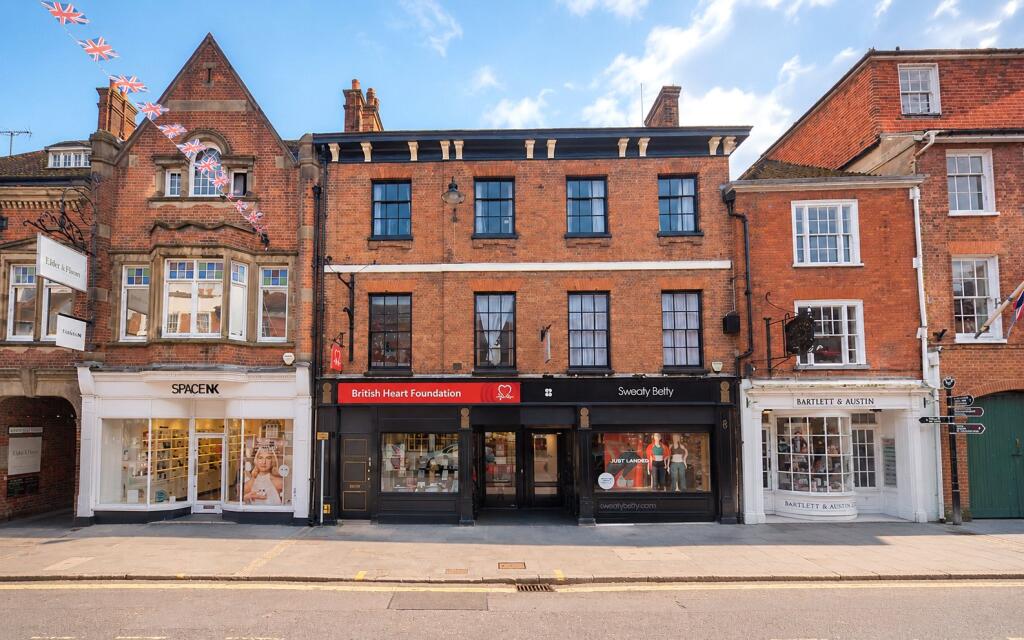
Ask anyone who has tried to buy a three bedroom semi in Fareham this year and they’ll tell you the same thing: viewings fill up fast, and the good ones rarely make it to a second open day. That’s not the sort of thing you’d have heard eighteen months ago, when stock sat longer and buyers had the upper hand. Something has shifted, and it hasn’t happened by accident. A fair amount of it comes down to steady demand from people who work in Southampton or Portsmouth but want a quieter postcode to come home to, and a lot of it comes down to how well positioned the town is for that exact commute. Locals looking to buy or rent have also noticed more competition from tenants, which is part of why so many are now turning to reliable letting agents in Fareham to help them move quickly once the right property appears. That growing reliance on local expertise says something about how the market has changed, and it’s worth unpacking why.
Why Fareham Is Pulling Buyers From Both Directions
Fareham sits in that useful spot between Southampton and Portsmouth, close enough to both that commuters don’t have to choose one city over the other. Fareham train station runs direct services to London Waterloo, with journey times generally sitting around an hour and forty minutes, while Southampton Central and Portsmouth are both reachable in well under half an hour. For a town of its size, that’s not nothing. The M27 runs along the northern edge, giving drivers quick access east and west, and that combination of rail and road has made Fareham the kind of place people settle in rather than simply pass through.
Because demand has held steady from both coastal cities, prices in Fareham have not softened the way some analysts predicted they might during the wider slowdown. Areas like Portchester, Titchfield and Locks Heath continue to draw interest from families who want good schools within walking distance, and Whiteley, still technically part of the wider Fareham borough, has become something of a magnet for younger buyers thanks to its newer housing stock and the retail park nearby. Generally speaking, when a town offers that mix of transport links and family friendly neighbourhoods, the housing market tends to hold its nerve even when the national picture looks shakier.
What’s Actually Driving The Strength
It would be easy to put this down to a single factor, but the truth is more layered than that. Employment plays a genuine part, with Fareham benefiting from its proximity to Solent based industries including maritime engineering, defence and marine technology firms clustered around the Solent Enterprise Zone at Daedalus. Whiteley Business Park has also brought office based employment closer to home for people who previously had to travel into Southampton or beyond, and that shift matters more than people realise when it comes to where families choose to put down roots.
There’s also the town centre itself, compact but well served, which draws a specific kind of buyer who wants shops, a market, and decent cafes without the sprawl of a bigger city. Fareham Shopping Centre and the surrounding precinct give the town a proper high street feel, something that’s increasingly rare in towns of a similar size across the south coast. And then there’s Cams Hall and the marina areas near Portchester Castle, which add a slightly different flavour to the property mix, appealing to buyers who want water views without paying Southampton or Portsmouth waterfront prices.
The Rental Side Of The Story
It’s not just buyers driving the change. Rental demand has picked up noticeably too, partly because younger professionals priced out of Southampton and Portsmouth city centres are looking just outside for something more affordable, and partly because Fareham’s schools and green spaces make it an obvious choice for young families who aren’t quite ready to buy. Portchester’s coastal path and the open spaces around Titchfield Haven give the area a lifestyle appeal that doesn’t always come through in a simple price comparison, but it’s arguably one of the bigger draws for tenants weighing up their options.
That rise in rental interest has put more pressure on landlords to move quickly and price accurately, which is part of why professional support has become so valuable locally. Getting a property let within days rather than weeks isn’t just about luck; it’s about understanding what tenants in this specific market are looking for and pricing accordingly from day one. Landlords who try to manage that process alone, particularly those with more than one property, often find themselves losing time and money simply because they’re not close enough to the day to day movement of the local market.
Is This Growth Sustainable
That’s a fair question, and honestly, nobody can say for certain. But there are a few reasons to think Fareham’s position is more durable than a short term blip. The town isn’t relying on a single employer or a single transport link to justify its appeal, which tends to be the kind of thing that makes a local market fragile. Instead it’s benefiting from a spread of factors, defence and marine industry jobs, decent rail connections, family friendly neighbourhoods and a town centre that still functions as one, all reinforcing each other rather than propping the whole thing up alone.
For the most part, planning activity in the borough has also stayed relatively measured compared with some neighbouring authorities, which has kept supply from flooding the market in a way that might otherwise cap price growth. New developments around Fareham and Whiteley continue, but not at a pace that suggests oversupply is likely to become a problem any time soon. That balance between steady demand and controlled supply is usually a good sign that a local market has some staying power, rather than simply riding a temporary wave.
Final Thoughts
What’s happening in Fareham right now isn’t dramatic, and that’s probably the point. Markets that shift too fast tend to correct just as quickly, whereas this looks more like a town settling into a role it’s arguably always been suited for: a practical, well connected base for people who work elsewhere but want to live somewhere quieter. If the current mix of employment growth, transport links and steady rental demand holds, there’s little reason to expect that role to change any time soon. The bigger question for anyone watching from outside the area might not be why Fareham is strengthening now, but why it took buyers and tenants this long to notice.