

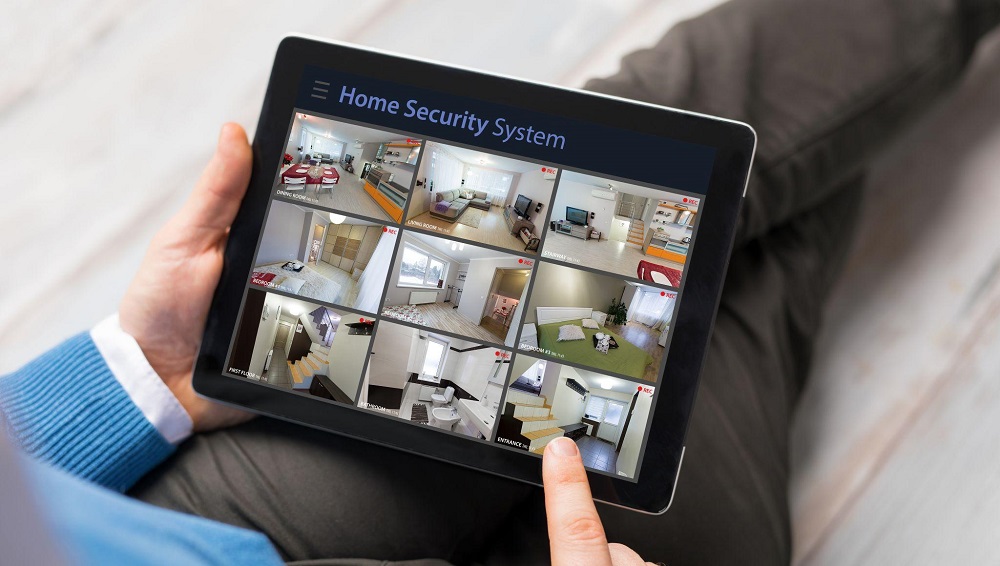
Smart security systems have transformed the way homeowners protect their living spaces. Unlike traditional locks and alarms, modern solutions combine automation, remote monitoring, sensors, and real-time alerts to create a safer and more responsive home environment.
These systems help prevent threats, monitor activity, and give homeowners peace of mind whether they are inside the house or away.
What Is a Smart Security System?
A smart security system is a connected network of devices designed to monitor and protect your home using internet-based technology. These systems allow homeowners to control and track security features through smartphones, tablets, or computers.
Common components include:
- Smart cameras
- Motion detectors
- Door and window sensors
- Smart locks
- Alarm systems
- Video doorbells
- Mobile control applications
Together, they create a reliable security layer that works continuously.
Real-Time Monitoring from Anywhere
One of the biggest advantages of smart security systems is remote accessibility.
Homeowners can:
- View live camera footage
- Receive instant alerts
- Lock or unlock doors remotely
- Monitor visitor activity
- Check entry and exit logs
This level of control increases awareness and allows quick action during unexpected situations.
Instant Alerts Improve Emergency Response
Smart systems notify homeowners immediately when unusual activity occurs.
Examples of alert triggers include:
- Motion detection near entrances
- Door or window opening unexpectedly
- Unauthorized access attempts
- Smoke or fire detection (in integrated systems)
These alerts help residents respond faster and contact authorities if needed.
Smart Cameras Provide Continuous Surveillance
Modern smart cameras offer features beyond traditional CCTV systems.
They often include:
- Night vision monitoring
- Motion-triggered recording
- Two-way audio communication
- Cloud storage backup
- Wide-angle viewing coverage
Continuous monitoring discourages unauthorized activity and increases safety.
Smart Door Locks Strengthen Entry Protection
Smart locks reduce dependence on physical keys and improve access control.
Homeowners can:
- Unlock doors using mobile apps
- Provide temporary digital access to guests
- Track who enters and exits
- Schedule automatic locking times
This ensures better security without compromising convenience.
Motion Sensors Detect Suspicious Activity
Motion sensors identify unexpected movement inside or outside the home.
They help:
- Activate alarms instantly
- Turn on lights automatically
- Trigger camera recordings
- Send alerts to mobile devices
These features make homes less attractive targets for intruders.
Video Doorbells Improve Visitor Awareness
Smart doorbells allow homeowners to see and communicate with visitors before opening the door.
Benefits include:
- Live video monitoring of entrances
- Two-way communication with delivery personnel
- Recording visitor activity
- Detecting motion near doorways
This adds an extra layer of protection at the main entry point.
Integration with Smart Home Devices
Many security systems connect with other smart home technologies to create a unified protection system.
Integrated features may include:
- Automatic lighting during movement detection
- Voice assistant compatibility
- Remote appliance monitoring
- Scheduled security activation
Integration improves both safety and convenience.
Protection Against Fire and Environmental Hazards
Advanced smart security systems often include sensors that detect environmental risks.
These systems can monitor:
- Smoke levels
- Gas leaks
- Water leakage
- Temperature changes
Early warnings help prevent property damage and protect occupants.
Deterrence Through Visible Security Features
Visible cameras and alarm systems act as strong deterrents against unwanted activity.
Potential intruders are less likely to target homes that clearly show:
- Surveillance cameras
- Alarm signage
- Smart entry systems
- Motion-sensitive lighting
Preventive visibility strengthens home protection significantly.
Energy Efficiency Benefits of Smart Security Systems
Some security devices also support energy-saving features.
For example:
- Automated lighting control
- Smart thermostat integration
- Remote appliance shutdown
- Scheduled device operation
These features reduce unnecessary energy consumption while maintaining safety.
Easy Customization for Different Home Sizes
Smart systems can be adjusted according to the layout and requirements of each home.
Homeowners can:
- Add new sensors when needed
- Expand camera coverage gradually
- Customize alert settings
- Control device permissions
This flexibility makes smart security suitable for apartments, independent houses, and large residences.
Frequently Asked Questions (FAQs)
1. Are smart security systems difficult to install?
Many systems are designed for simple installation and can be set up without major structural changes to the home.
2. Do smart security systems work during internet outages?
Some devices continue recording locally, but remote access features may pause until connectivity returns.
3. Can multiple family members control the same security system?
Yes, most systems allow shared access with permission-based controls for different users.
4. Are smart security cameras safe from hacking risks?
Using strong passwords, secure networks, and regular software updates greatly reduces security risks.
5. Do smart security systems increase property value?
Homes equipped with modern security technology are often more attractive to buyers and tenants.
6. Can smart security systems be used in rented homes?
Yes, many wireless devices are portable and suitable for rental properties without permanent installation.
7. How often should smart security systems be updated or maintained?
Regular software updates and periodic device checks ensure the system continues working effectively.