

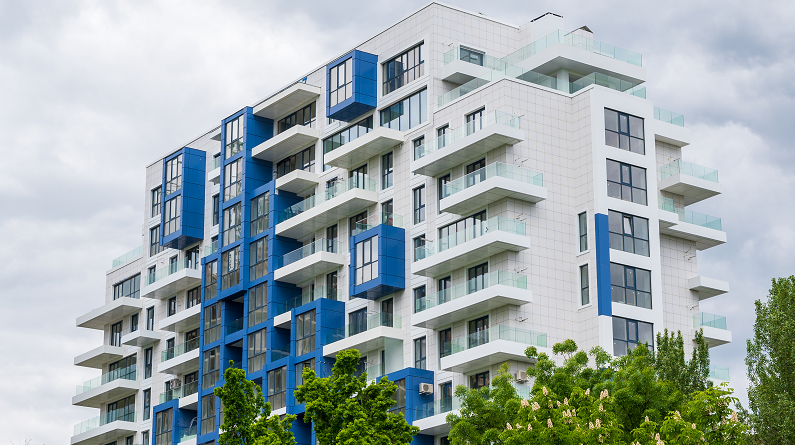
Choosing the right apartment location is one of the most important decisions in the home-buying or renting process. While interiors can be redesigned and furniture can be replaced, the location of an apartment remains permanent. A well-chosen location improves daily comfort, financial value, and long-term satisfaction.
This guide explains practical factors that help you identify the perfect apartment location for your lifestyle and future goals.
Why Apartment Location Matters
Location affects nearly every aspect of your living experience. It influences:
- Daily travel time
- Property value appreciation
- Safety and security
- Access to essential services
- Lifestyle convenience
A thoughtfully selected location makes everyday life smoother and protects your investment over time.
Proximity to Workplace and Schools
One of the first factors to evaluate is how close the apartment is to your workplace or educational institutions.
Living near work or school helps:
- Reduce commuting stress
- Save transportation costs
- Improve work–life balance
- Provide extra time for family and personal activities
Families with children should especially prioritize access to reputable schools within a reasonable distance.
Access to Public Transportation
Reliable transportation connectivity increases both comfort and property value.
Look for apartments located near:
- Bus stops
- Metro or railway stations
- Major highways
- Shared mobility routes
Convenient transport access ensures smoother travel during emergencies and daily routines.
Availability of Essential Services Nearby
A suitable apartment location should provide easy access to everyday necessities.
Check for nearby:
- Hospitals and clinics
- Grocery stores
- Pharmacies
- Banks and ATMs
- Shopping centers
Living close to essential services improves convenience and reduces travel time.
Neighborhood Safety and Security
Safety plays a major role in choosing the right location.
Before selecting an apartment, observe:
- Street lighting conditions
- Security patrol presence
- Crime rates in the area
- Gated community features
- CCTV surveillance availability
A secure neighborhood supports peaceful and comfortable living.
Future Development Potential
Apartments located in developing areas often provide better long-term returns.
Look for signs of upcoming infrastructure such as:
- New highways
- Metro connectivity projects
- Commercial developments
- Educational institutions
- Technology parks
Such developments increase property demand and resale value.
Availability of Lifestyle Amenities
Modern apartment living includes access to lifestyle facilities that improve quality of life.
Preferred nearby amenities include:
- Parks and walking tracks
- Fitness centers
- Restaurants and cafés
- Entertainment zones
- Community spaces
These features support both physical well-being and social engagement.
Environmental Quality and Surroundings
A healthy environment contributes to long-term comfort and wellness.
Check whether the area offers:
- Clean surroundings
- Low noise levels
- Good air quality
- Green spaces
- Proper drainage systems
Avoid locations close to heavy industrial zones or overcrowded traffic corridors whenever possible.
Connectivity to Major City Areas
An ideal apartment location should provide easy access to important parts of the city.
Evaluate connectivity to:
- Business districts
- Airports
- Railway stations
- Markets
- Educational hubs
Strong connectivity improves both convenience and property appreciation potential.
Parking and Road Accessibility
Parking availability is often overlooked but extremely important.
Ensure the location offers:
- Wide approach roads
- Dedicated parking areas
- Visitor parking spaces
- Smooth traffic flow nearby
Convenient accessibility improves daily living comfort.
Community and Social Environment
A supportive neighborhood enhances your living experience.
Look for communities that provide:
- Friendly residents
- Active resident associations
- Clean surroundings
- Family-friendly atmosphere
Positive social environments contribute to long-term satisfaction.
Budget Compatibility with Location
Prime locations usually come with higher costs. However, balancing affordability and convenience is essential.
Before finalizing a location:
- Compare property prices across areas
- Evaluate long-term appreciation potential
- Consider maintenance expenses
- Plan financing carefully
Choosing a location within your financial comfort zone ensures stability and peace of mind.
Legal and Infrastructure Reliability
Always confirm the reliability of infrastructure before selecting an apartment location.
Check availability of:
- Water supply
- Electricity connection
- Sewage systems
- Road maintenance
- Municipal approvals
Reliable infrastructure prevents future inconvenience.
Tips for Visiting an Apartment Location Before Final Decision
Before committing to a location, visit the area at different times of the day.
Observe:
- Traffic conditions
- Noise levels
- Safety during nighttime
- Accessibility during peak hours
- Availability of daily services
Multiple visits provide a clearer understanding of the neighborhood.
Frequently Asked Questions (FAQs)
1. How important is location compared to apartment size?
Location is often more important than size because it affects daily convenience, safety, and long-term property value.
2. Should I choose a developing area or an established location?
Developing areas offer better appreciation potential, while established areas provide immediate lifestyle convenience.
3. Is living near public transport always beneficial?
Yes, apartments near transport hubs usually improve accessibility and increase resale value.
4. How can I check whether a neighborhood is family-friendly?
Look for nearby schools, parks, healthcare facilities, and residential communities with active security systems.
5. Does apartment location affect rental income potential?
Yes, well-connected locations with strong infrastructure typically attract higher rental demand.
6. What role does infrastructure play in selecting apartment locations?
Reliable infrastructure ensures uninterrupted utilities and increases long-term livability and property value.
7. How far should an apartment be from essential services?
Ideally, hospitals, grocery stores, and schools should be reachable within 10–15 minutes for maximum convenience.